
Natural Biocides, Sumac, and the Protection of Bees: A New Path for Sustainable Agriculture
Modern agriculture faces a dual challenge: how to effectively protect crops while avoiding harm to the environment, soil, water, and human health. Increasing research shows that the solution may lie in natural biocides — especially those based on plants such as sumac (Rhus coriaria). Their superiority over chemical agents comes not only from their origin, but also from their mechanisms of action, impact on ecosystems, and safety for pollinators.
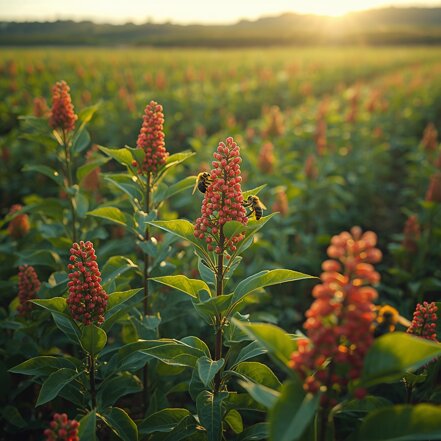
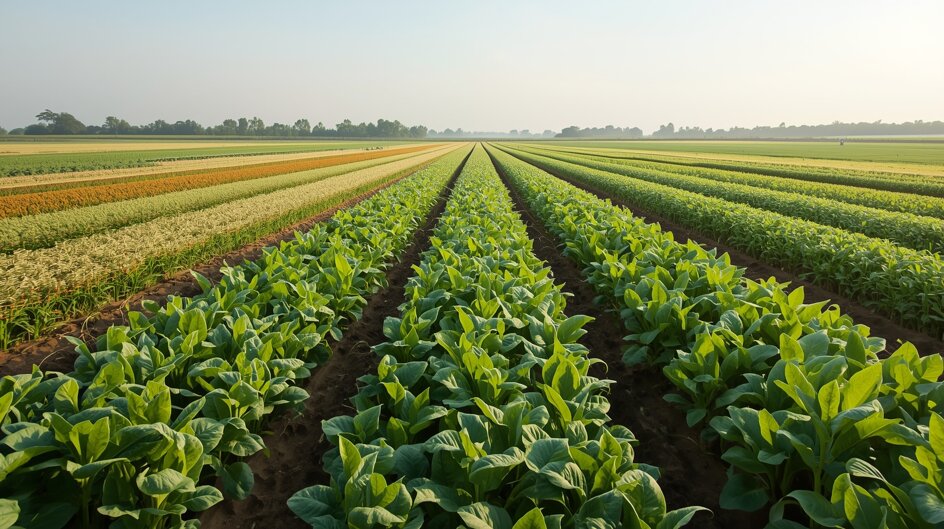
Natural vs. Chemical: Why This Choice Matters
The method of crop protection influences the entire food chain and the health of the soil. The key differences between chemical and natural biocides are fundamental:
Origin: chemical agents are created through petrochemical processes, while natural ones are derived from plant extracts.
Environmental impact: chemical substances can persist in the environment for many years, whereas natural agents degrade quickly.
Food residues: chemical agents often leave traces on crops, while plant-based biocides are significantly safer.
Pest resistance: plant extracts, thanks to their complex structure, make it harder for pests to develop resistance — a common issue with synthetics.
Human health: natural biocides have a more favorable toxicological profile, protecting both farmers and consumers.
In practice, this means natural solutions are more environmentally friendly and help build a more resilient agricultural system.
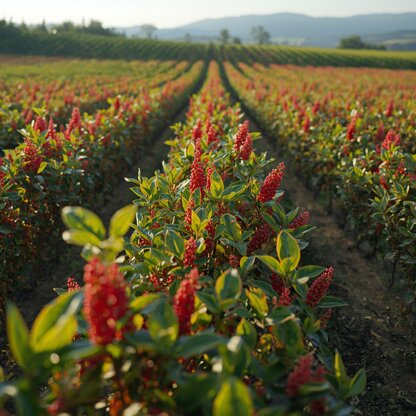
Sumac: An Ancient Plant with Modern Applications
Sumac, known primarily as an aromatic spice with an intense, tangy flavor, has been used for thousands of years in traditional medicine and leather tanning. Only modern science has begun to reveal its full potential in crop protection.
Laboratory and field studies confirm that sumac extracts have strong antifungal, antibacterial, and insecticidal properties. This is due to a unique complex of active compounds:
tannic acids,
polyphenols and flavonoids,
essential oils.
These components act simultaneously on multiple pathogen mechanisms, increasing effectiveness and reducing the risk of resistance development.
Sumac also stands out thanks to characteristics that make it a plant of the future:
it is hardy and drought-resistant,
it fits into a circular economy model — every part of the plant can be utilized,
it is exceptionally effective when combined with other natural substances, such as pyrethrum.
It unites tradition with modern agronomic technology — and that is what makes it so promising.
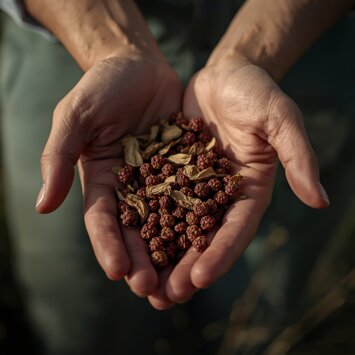
A New Era of Crop Protection
Natural biocides — and especially those based on sumac — define the direction in which modern, responsible agriculture is heading. These are solutions that:
protect the environment,
are safe for consumers,
are effective and less prone to resistance issues,
support pollinators and biodiversity,
naturally integrate into regenerative agriculture.
This is not a temporary trend — it is the future, already unfolding.